

Why Australia Should Be on Every Wildlife Filmmaker’s Itinerary

Diverse Ecosystems
Inspiring moments await in the diverse ecosystems of our world. Picture yourself exploring extraordinary landscapes, from the arid deserts to the vibrant coral reefs. Each habitat, much like the rainforests of the Galapagos Islands, offers a unique glimpse into nature's wonders, akin to wandering through Brisbane Botanic Gardens, where diverse plant life thrives.
Unique Habitats from Deserts to Reefs
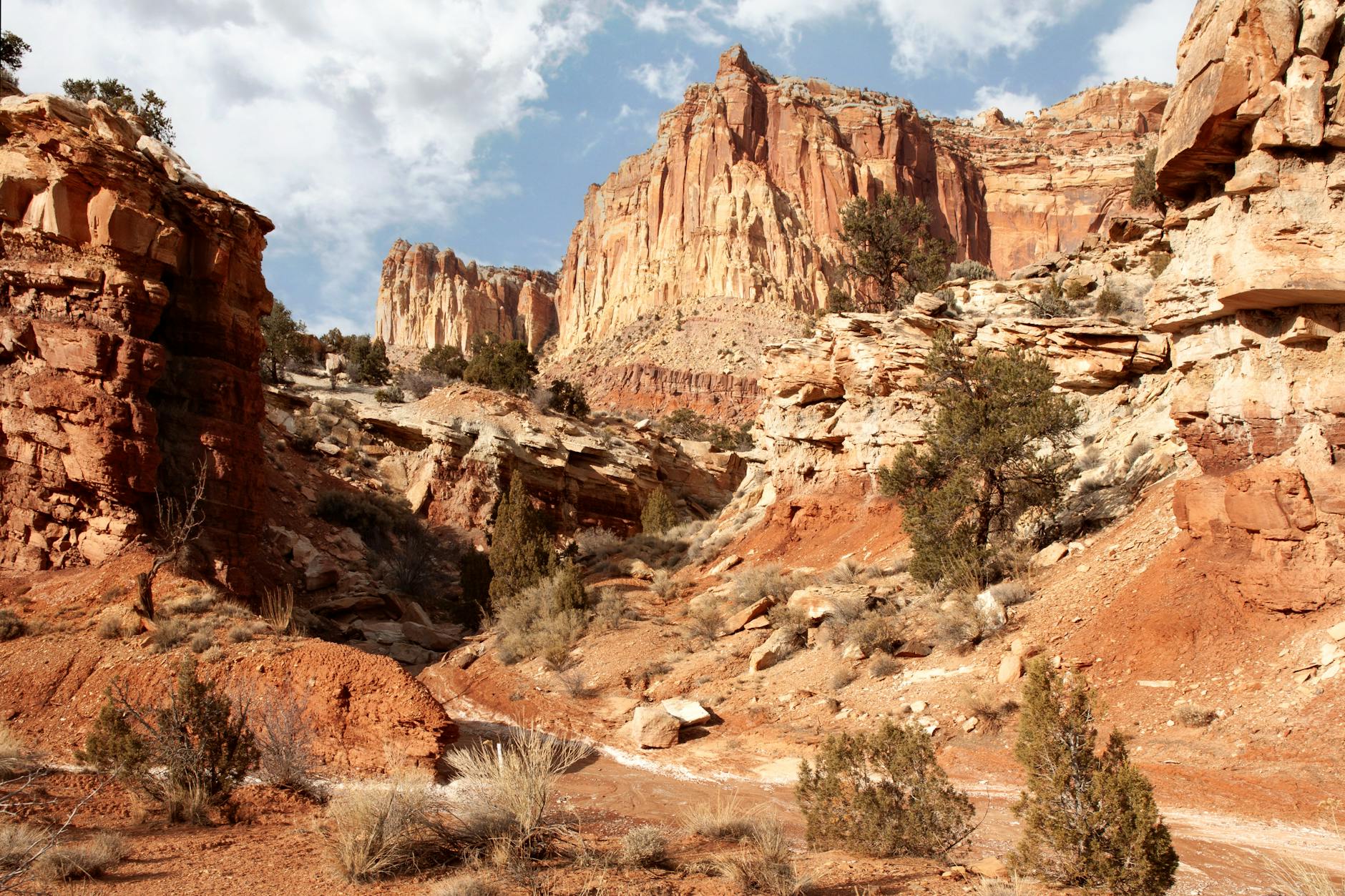
From the rugged terrains of the Peruvian highlands on Machu Picchu tours to the frosty expanses experienced during Antarctic tours, there’s a world of ecosystems to explore. These environments support diverse species each adapted to their surroundings. Deserts, for instance, host resilient flora and fauna that have evolved unique survival strategies, and coral reefs boast an astonishing variety of marine life, essential for maintaining ocean health.
Endemic Species Like Nowhere Else
Each unique ecosystem shelters its own set of endemic species, much like the exclusive companions found at the Lone Pine Koala Sanctuary in Brisbane. These creatures, whether the flightless cormorants of the Galapagos or the elusive snow petrels of Antarctica, embody nature's remarkable adaptability. Their presence serves as a vivid reminder of the importance of maintaining these habitats for future generations.
Opportunities for Diverse Footage
For those passionate about capturing the splendor of nature, diverse ecosystems offer unparalleled opportunities. From filming the bustling activity of coral reefs to the serene majesty of desert twilight, the potential for capturing unique footage is immense. As a biodiversity explorer, your lens can help illuminate the magnificence of these environments, sparking inspiration and awareness in viewers around the world.
Conservation Success Stories
Case Studies of Wildlife Recovery
In my experience as a biodiversity explorer, witnessing wildlife recovery stages in South America is truly fascinating. A significant example is the resurgence of the jaguar population in the wetlands of the Pantanal. After years of careful habitat restoration and protection of prey species, these majestic predators are returning to their historic ranges. Similarly, sea turtles along the Pacific coast reclaim nesting sites thanks to local conservation initiatives and community engagement. Amidst these optimistic tales, I am reminded of similar efforts closer to home at the Brisbane Botanic Gardens. These institutions create a microcosm of worldwide biodiversity recovery, echoing similar conservation stories.
Effective Protection Measures
Successful conservation in South America often relies on innovative strategies. Establishing protected areas and reserve networks is crucial to ensuring species survival. One innovative approach is rewilding, where areas like Patagonia are repopulated with native fauna, rebuilding entire ecosystems. Moreover, the enforcement of anti-poaching laws has been vital in reducing illegal hunting of vulnerable species. These efforts are mirrored by initiatives in the Brisbane Botanic Gardens, where innovative conservation methods play a crucial role in maintaining local plant diversity.
Partnerships with Indigenous Communities
Partnerships with Indigenous communities are at the heart of many successful conservation programs. These collaborations combine traditional ecological knowledge with modern science to leverage sustainable resource management practices. Indigenous-led tourism initiatives offer authentic cultural interactions and contribute to broader conservation goals. During my South America tours, I have seen how these partnerships benefit conservation and provide economic opportunities for local populations. As environmental enthusiasts like Liam search for genuine conservation initiatives in South America holidays, it’s rewarding to engage with and learn from the original stewards of these natural landscapes.
Filmmaking Opportunities
Collaboration with Local Guides
Working with local guides in biodiverse regions can provide filmmakers with invaluable insights into the best filming locations and the behaviour of native species. These guides often possess intimate knowledge of the area's environment, which is crucial for capturing rare and fleeting moments on camera. When considering Galapagos Islands tours, teaming up with experienced guides not only enhances the chances of spotting elusive wildlife but also ensures that filming activities are conducted responsibly and with minimal environmental impact.
Tips for Capturing Rare Species
Documenting rare species requires patience, preparation, and adaptability. Timing is everything, and knowing the habits and habitats of your target species can make all the difference. Here are some tips:
- Research seasonal patterns and movements of the species before your expedition.
- Use discreet, low-impact equipment to avoid disturbing natural behaviours.
- Plan shoots during dawn or dusk when wildlife is typically more active.
Being prepared increases the likelihood of successful shots while respecting the animals' natural behaviours and habitats.
Navigating Remote Locations
Exploring remote locations presents unique challenges and thrilling opportunities. Whether it's the icy expanses of Antarctica travel or the lush greenery of Australia's own Brisbane Botanic Gardens, a well-thought-out plan is essential. Ensure reliable logistics for transportation, supplies, and emergency communication. Testing equipment in similar conditions before the trip can help anticipate any technical hitches. This preparation not only improves your chances of success during shoots but also supports the broader goal of conservation by preventing unnecessary disturbances.
Ethical Filmmaking Practices
Minimising Ecological Footprints
As an environmental enthusiast, one of my top priorities in filmmaking is reducing the impact on fragile ecosystems. I ensure that all filming equipment is lightweight and causes minimal disturbance to the environment. Sustainable practices include using renewable energy sources for charging batteries and choosing eco-friendly materials. This approach not only preserves the natural beauty of places like the Galapagos Islands but also aligns with my commitment to conservation. When choosing filming sites, I carefully assess the potential ecological impact to protect unique destinations like the Galapagos cruise, focusing on low-impact activities that respect the area’s biodiversity.
Respecting Animal Behavioural Codes
Wildlife filming requires an ethical approach to avoid disrupting the delicate balance of nature. I follow strict guidelines to maintain a respectful distance from animals, ensuring I do not interfere with their natural behaviours. Equally, being cautious with lighting, noise, and movements not only safeguards the well-being of the animals but also enriches the authenticity of the footage. Learning these practices is essential for any aspiring wildlife filmmaker interested in capturing the wonders of unique ecosystems, akin to the vibrant offerings of Patagonia tours.
Supporting Conservation Efforts
To make a meaningful impact, I incorporate conservation initiatives into my projects. Partnering with local organisations enables me to support the preservation of habitats and raise awareness of conservation issues. By promoting local narratives and investing in community-based initiatives, filmmakers can contribute to genuine conservation efforts. These collaborations foster a deeper connection with the locations and inspire long-term commitment to environmental stewardship.
Overcoming Challenges in Wildlife Filmmaking
Managing Severe Weather and Environmental Hazards
One of the more intriguing aspects of wildlife filmmaking is confronting unpredictable weather patterns. Imagine standing at the Mount Coot-tha Lookout, peering at the sprawling landscape as storm clouds gather stealthily in the distance. While this might sound like a scene from a dramatic film, it reveals the relentless reality filmmakers encounter. To thrive in these conditions, preparation is critical. Always ensure you're equipped with weather-resistant gear and have a strategy to protect valuable equipment, which might otherwise be compromised by sudden downpours or the intense Australian sun.
Adapting Equipment for Varied Terrains
Venturing into the vast and varied terrains can be both thrilling and challenging. From the rugged outback to the dense canopies of the northern rainforests, each landscape demands specialized equipment. Recently, while exploring near the Brisbane Botanic Gardens, I had to precisely adjust my camera stabiliser to accommodate uneven ground. Always carry versatile equipment that is robust enough to adapt to different environments. Packing lightweight tripods and sturdy drones can especially be beneficial when navigating rough terrains.
Mastering Permitting and Regulatory Landscapes
Australia's commitment to conserving its unique biodiversity means that navigating Permitting processes needed in wildlife filmmaking in Australia is often complex. The Lone Pine Koala Sanctuary, renowned for its lush eucalyptus habitats, epitomizes the diligence required to film responsibly. Engage early with local authorities to comprehend permit requirements and timelines. Familiarising oneself with local regulations ensures that your filmmaking respects both the natural wonders and legal frameworks, allowing you to capture awe-inspiring footage sustainably.